



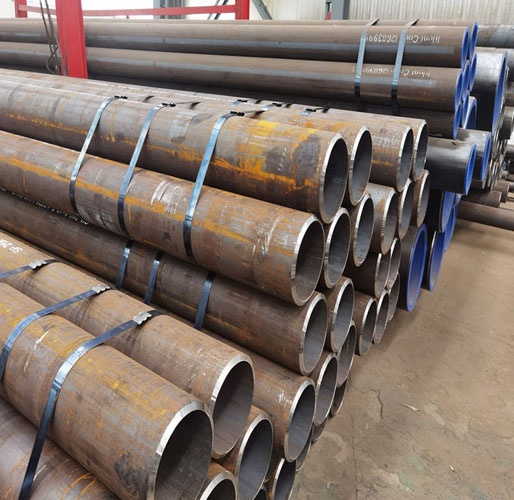
What are Assorted/Block Pipes?
Assorted pipes generally refer to surplus, secondary, or slightly defective steel pipes sold in bulk lots for diverse applications. These are for non-critical uses. Temporary structures, fencing, or water management are typical applications. Precision oil and gas drilling would not use this material. The pipes are often leftover from large projects or overstocked materials. This makes them an affordable choice for structural or general piping needs. In these cases, exact specifications are not the most vital thing.
Types of Secondary Seamless Assorted & Block Pipes
We offer three main categories of secondary assorted and block pipes:
- Assorted: Mixed sizes in a single grade with various dimensions within one material specification.
- Block Lot: A full shipment purchase where you buy the whole container or inventory lot at a bulk price.
- Mixed Grade: Buy a single item with different grades, sizes, and types of materials.
Advantages
Some of the main benefits of buying secondary assorted and block lot pipe are:
- Significant Cost Savings: 30% to 50% less than the price of prime materials, depending on the condition of the lot.
- Immediate Availability: Ready stock means no lead time for standard mill orders.
- Suitable for Many Applications: Functional material for both structural and non-critical uses.
Secondary Seamless Assorted & Block Pipes Specifications
To identify suitable materials for non-critical applications, refer to the secondary and surplus pipe specifications detailed below:
| Dimensions | ASTM, ASME and API |
|---|---|
| Size (Seamless) | 30 mm to 800 mm with thickness of 5 mm and above |
| End | Plain End, Beveled End, Screwed, Threaded |
| Length | Single Random, Double Random, Required Length, Custom Size |
Applications of Secondary Seamless Assorted & Block Pipes
Secondary assorted and block pipes serve various industries for non-critical applications where cost savings matter.