



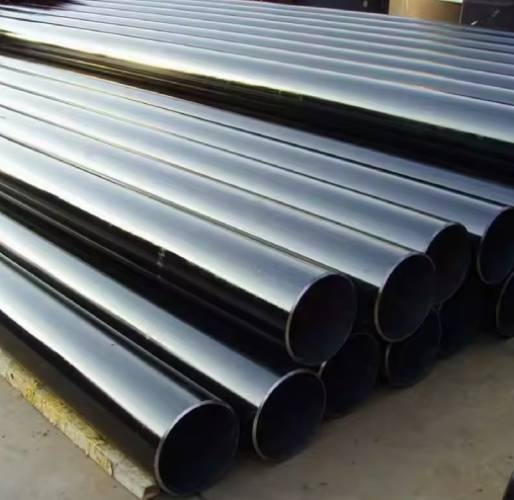
What is Carbon Steel Pipe?
Carbon steel pipe is a steel alloy. It consists mainly of iron and carbon as the main ingredients. Small traces of manganese, silicon, phosphorus, and sulfur are also present. The carbon level changes how the metal acts. If there is more carbon, the pipe gets harder and stronger. However, this makes it less flexible and harder to weld.
CS pipe is also known as black steel pipe. This is because of the dark finish on the surface. We make these in two ways. Seamless pipes come from solid billets. Welded pipes are made by joining steel plates. Seamless carbon steel pipe is strong all the way through. Welded types cost less.
Types of Carbon Steel Pipes
Carbon steel pipes are classified based on manufacturing process (seamless, ERW, LSAW, SSAW), carbon content (low, medium, high), and surface treatment (black, galvanised, coated).
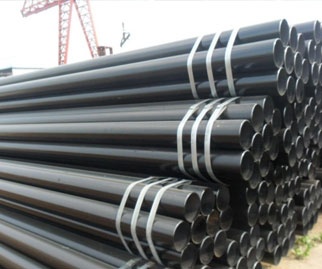
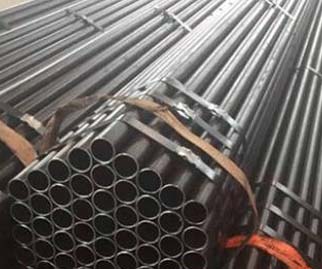
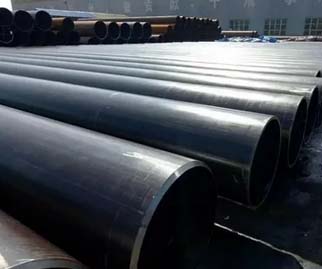
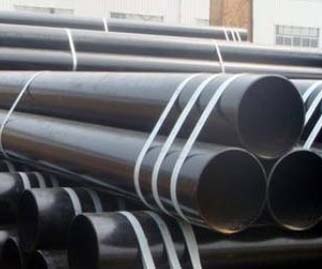
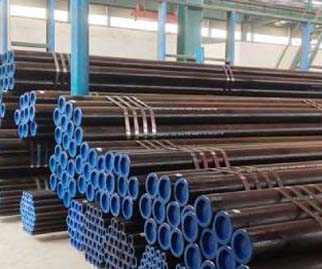
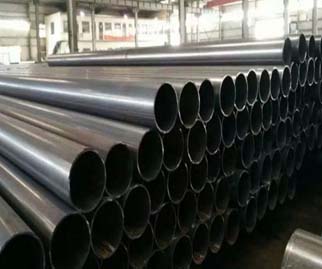
Carbon Steel Pipe Specifications
Our carbon steel pipe dimensions and types include:
| Standards | ASTM A53, ASTM A106, ASTM A333, API 5L, ASTM A500 |
|---|---|
| Size Range | NPS 1/8" to 48" (DN 6 to DN 1200) |
| Wall Thickness | SCH 5, 10, 20, 30, 40, 60, 80, 100, 120, 140, 160, STD, XS, XXS |
| Length | 6m, 12m, SRL (18-25ft), DRL (38-40ft) |
| Surface Finish | Black, Galvanised, Coated, Bar |
| End Types | Plain End (PE), Bevelled End (BE), Threaded |
Carbon Steel Pipe ASTM Standards & Grades
ASTM standards define material composition, mechanical properties, testing requirements, and applications for carbon steel pipes.
ASTM A53 Carbon Steel Pipe
This covers both seamless and welded black/ galvanised pipes in A and B grades. Grade B is the standard choice. It works for general pressure jobs.
ASTM A106 Carbon Steel Pipe
Seamless carbon steel pipe for high-temperature service in Grades A, B, and C. Available in NPS 1/8 to NPS 48. Suitable for bending, flanging, and welding. A106 Grade B pipe is commonly used in refineries and power plants.
ASTM A333 Carbon Steel Pipe
This standard pipe is designed for low-temperature service with required notch toughness testing. It is available in Grades 1, 3, 6, 7, 8, 9, 10, and 11 for cryogenic applications down to -196°C.
API 5L Carbon Steel Line Pipe
For oil and gas pipeline transportation in Grades B, X42, X46, X52, X56, X60, X65, and X70. PSL1 and PSL2 product specification levels are available for both seamless and welded types.
Properties & Features of Carbon Steel Pipes

High Tensile Strength
These pipes handle heavy loads. Strength goes from 315 to 550 MPa.

Excellent Weldability:
You can weld them easily. We suggest TIG or MIG. Low carbon types don't even need pre-heating.

Cost-Effectiveness
It is more affordable than stainless. You get great performance for the price.

High Temperature Resistance
ASTM A106 works up to 400°C. It stays solid when things get hot.
Industries Using Carbon Steel Pipe
There are 8 major industries where CS pipes play a significant role.
Why Choose Chhajed Steel for Carbon Steel Pipes?
Here are the reasons why you should choose us over other carbon steel pipe distributors.
-
1
Over Five Decades of Industry Knowledge: We have been serving industries since 1967. We know CS pipe better than anyone else.
-
2
Benefit of being a Local Metal Distributor: As a stocking distributor based in Ahmedabad, Gujarat, we understand local market needs. We provide responsive service to industries throughout the GIDC region and beyond.
-
3
Pan-India Delivery: Our logistics reach everywhere in India. We get pipes to your site quickly.
-
4
Custom Sizes: We specialize in manufacturing or cutting pipes to your exact specifications. This flexibility ensures everything fits perfectly for complicated projects.
100% Certified Testing & Documentation
- EN 10204/3.1B Material Test Certificates (MTC)
- Raw Materials Certificate
- Hydrostatic Test Report
- Chemical Analysis Report
- Mechanical Test Report (Tensile, Hardness, Impact)
- Dimensional Inspection Report
- Third Party Inspection (TPI) Available
Frequently Asked Questions
-
What is the cost of carbon steel pipe?
In India, it usually sits between Rs 80-130 per kg. This changes with the market and your order size. -
Do you provide custom-size carbon steel pipes?
Yes. We cut pipes to the exact length you need. -
What is the lifespan of carbon steel pipe?
It can last 50 years if kept dry. In normal use, expect 10-15 years. Maintenance helps. -
What is the difference between seamless and welded carbon steel pipe?
The main difference between seamless and welded carbon steel pipe is that the seamless pipe is made using a single billet without any welded seams and the welded one is made by welding a sheet of carbon steel into a pipe. -
Does carbon steel pipe rust easily?
Yes, carbon steel can rust easily when exposed to moisture and oxygen. Protective coatings, galvanising, painting, or cathodic protection can prevent this rusting in corrosive environments. -
What is the most common grade of carbon steel pipe?
The most common grade of carbon steel pipe is ASTM A106 Grade B. It is widely used in high-temperature service. -
Carbon steel pipe vs Stainless Steel - What is the difference?
Carbon steel is stronger and more affordable but can rust. Stainless resists corrosion because of chromium but costs a lot more. Use carbon steel if you don't have corrosion worries.