



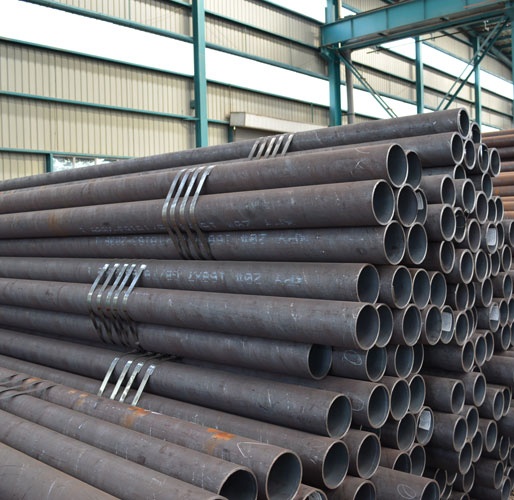
What are Secondary Pipes?
Secondary pipes are off-grade or surplus stock pipes that don't meet prime specifications. They remain functional for many applications. These pipes may have cosmetic defects, dimensional variations, or come from mixed lots. They are cheaper alternatives when prime certification isn't required for the intended use.
Types of Secondary Pipes
We import three main types of secondary carbon steel pipes:
- Mill Seconds: Pipes that have small surface flaws, dimensional differences, or test failures that don't affect the strength of the structure. The mill's quality control stage rejects these. They can still be used for non-critical applications.
- Surplus Stock: Excess production or cancelled order stock from mills, often prime quality at reduced prices. This category provides the best value. Material may be fully certified but available below market rates.
- Rejected Lots: Pipes rejected for specific project requirements but are suitable for other uses. These may fail to meet one project's specifications. They work perfectly well for less demanding applications.
Secondary Carbon Steel Seamless Pipe Specifications
General specifications for carbon steel secondary pipes include:
| Standard | ASTM A106 GR. B & C / ASTM A53 GR. B & C / ASTM A333 GR. 3 & 6 / API 5L GR. B, X42, X46, X52, X60, X65, X75 / ASTM A671 & A672 GR. CB60, CC60, CC65, CC70, CD70 (Class 10 up to 43) / JIS G3454, G3455, G3456 |
|---|---|
| Dimensions | ASTM, ASME and API |
| Size (Seamless) | 50 mm OD to 800 mm OD with wall thickness of 5 mm and above (all grades) |
| End | Plain End, Beveled End, Screwed, Threaded |
| Length | Single Random, Double Random, Required Length, Custom Size |
Applications of Carbon Steel Secondary Pipes
Carbon steel secondary pipes serve various industries where prime certification is not required and cost reduction drives material choice.
Frequently Asked Questions
-
Are secondary pipes safe to use?Yes, secondary pipes are safe for appropriate applications. They should not be used for pressure service or where prime certification is required. They work well for structural and non-critical use where budget considerations are important. The key is matching the material grade to the application requirements.