


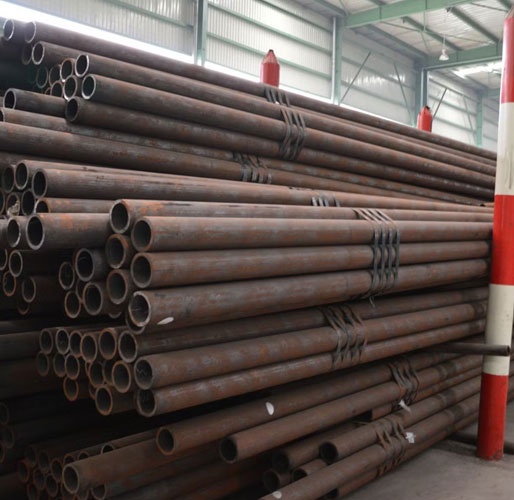
What is a Secondary Alloy Steel Pipe?

Secondary alloy steel pipes are off-grade, surplus, or excess stock from mills. These pipes may have minor deviations from prime specifications. Cosmetic surface marks and slight dimensional variations may occur. Incomplete test documentation is sometimes the issue. But the pipes are still helpful for many industrial uses. The price is much lower than that of prime material.

Types Available

We import different kinds of seamless secondary alloy steel pipes:

  • Mill Seconds: Pipes with minor surface flaws or failed tests that don't affect the strength of the structure.
  • Surplus Production: Mills with too much inventory, which is often high-quality at lower prices.
  • Rejected Project Stock: Material that doesn't meet the needs of a specific project but can be used for other things.
  • Mixed Lot Imports: Buying a lot of different sizes and grades of goods in bulk from international sources.

Secondary Alloy Steel Pipe Specifications

General specifications for secondary alloy steel seamless pipes consist of materials, grades, dimensions, and other information:

Specification ASTM A335 / ASME SA335
Schedule SCH40, STD, SCH60, SCH80, XS, SCH120, SCH140, SCH160, XXS and above
Size 1/2" NB to 24" NB
Type Seamless
Form Round Pipes, Square Pipes, Rectangular Pipes etc.
Length Single Random, Double Random, Required Length, Custom Size
End Plain End, Beveled End, Threaded

Applications of Secondary Alloy Steel Pipe

Secondary alloy steel seamless pipes serve various industries where prime certification is not mandatory and cost savings drive material selection.

Plumbing

Secondary alloy pipes are used in industrial plumbing systems and for transporting non-critical fluid as cost-effective to install. When budget is more important than full certification, contractors choose these.

Chemical Industry

Low-pressure chemical transfer lines and non-critical process piping benefit from the corrosion resistance of chrome-moly alloys. The reduced cost makes secondary grades attractive for utility systems. Plants use this material for auxiliary infrastructure that does not require prime specifications.

Water Supply Systems

Water distribution networks and irrigation systems use secondary pipes for utility-grade installations. These applications do not demand the precision of critical process piping. The functional material serves the purpose at lower cost.

Oil and Gas Pipeline

Non-critical transfer lines, temporary installations, and low-pressure service in oil and gas operations use secondary alloy pipes. Field operations need economical solutions for support systems. This material fits that requirement.

Fabrication Industry

Structural fabrication and general manufacturing applications use secondary pipes where certified prime material is not required. Fabricators get chrome-moly properties without paying premium prices. The material works when cosmetic issues do not matter.

Power Plant

Auxiliary systems, non-pressure service lines, and maintenance applications in power generation facilities use this material. Main steam lines would never use secondary grade. But support infrastructure and utility systems can benefit from the cost savings while maintaining functional performance.

Paper & Pulp Industry

Process piping for pulp handling, chemical recovery, and general mill piping accept secondary grade material. Mills operate with tight margins. Material cost reduction helps competitiveness. These pipes work where alloy properties matter but full certification does not.