



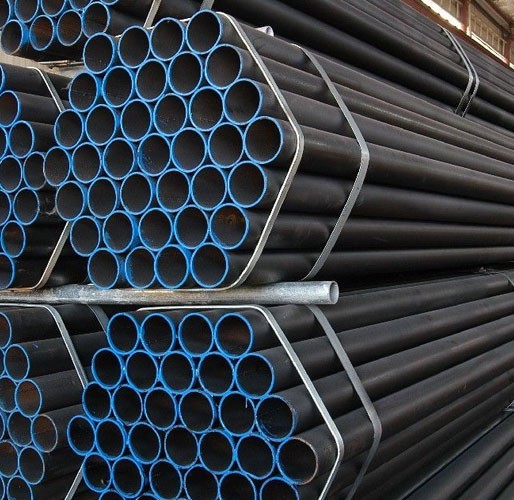
What is ASTM A691 9CR Pipe?
ASTM A691 9CR is the highest chromium grade in the standard chrome-moly range for electric fusion welded pipe. The designation means 9% chromium and 1% molybdenum. This is equivalent to the P9 or Grade 9 material in seamless pipe specifications. This chemistry gives a maximum oxidation and corrosion resistance at elevated temperatures.
At high temperatures, steel oxidises and wears out its surface. This decreases the wall thickness of the pipe. The higher chromium content provides a tighter oxide layer by sticking to the surface. The 9% of chromium provides roughly four times the protection of standard 2.25CR.
The molybdenum provides creep resistance. Under constant load at high temperature, steel slowly elongates. Molybdenum slows this down so the pipe can maintain its dimensions longer. This combination makes 9CR suitable for the most demanding high-temperature services in refineries and power generation.
ASTM A691 9CR Pipe Specifications
These are the key specifications for our 9CR pipes as per the ASTM A691 standard:
| Standard | ASTM A691 / ASME A691 |
|---|---|
| Grades | 1-1/4CR, 2-1/4CR, 5CR, 9CR |
| Size Range | 1/8"NB TO 30"NB IN |
| Wall Thickness | 0.3mm – 50 mm |
| Length | Single Random, Double Random & Required Length |
| End Finish | Plain End, Beveled End, Treaded |
Chemical Composition of ASTM A691 9CR Pipe
The 9CR composition maximises high-temperature performance. Here is the breakdown:
| Designation | C | Mn | P | S | Si | Cr | Mo |
|---|---|---|---|---|---|---|---|
| ASTM A691 9Cr | 0.15 | 0.30-0.60 | 0.025 | 0.025 | 1.00 | 8.00-10.00 | 0.90-1.10 |
Applications of ASTM A691 9CR Pipe
The 9CR grade performs well in the following 2 of the toughest high-temperature applications.
Frequently Asked Questions
-
What is the maximum temperature for 9CR?
A691 9CR works up to 649°C (1200°F) for continuous service. Past this point, the creep rates start increasing rapidly. For most refinery and power plant services below 650°C, standard 9CR does the job.